When designing a sunny border, one of the grasses I reach for most often is Calamagrostis × acutiflora.
It belongs to a group of cool-season ornamental grasses that are incredibly reliable in the garden. Unlike many vigorous grasses, it forms neat clumps without invasive rhizomes, produces sterile seed heads that do not self-seed, and can remain in the same place for many years without requiring regular division.

It is also one of the easiest structural grasses to combine with perennials. It thrives in full sun, performs well in lean, well-drained soils, and provides strong vertical accents from early summer right through winter.
Because of its narrow, upright habit, it often becomes the “backbone” of a planting—the plant around which the rest of the composition is built.
Two cultivars are especially common in garden centres:
• ‘Karl Foerster’
• ‘Overdam’
Although these two cultivars share many similarities, their roles within a planting composition are quite different. Let’s compare how each one performs and where they work best.
Quick Comparison
| Feature | ‘Karl Foerster’ | ‘Overdam’ |
|---|---|---|
| Height at flowering | 150–180 cm (5–6 ft) (up to 2 m in ideal conditions) | 150–160 cm (5–5.2 ft) |
| Mature Width / Spread | 60–75 cm (2–2.5 ft) | 45–60 cm (1.5–2 ft) |
| Foliage | Solid green | Green leaves with creamy-white margins; develops a soft pink flush in cool weather. |
| Plume Color | Loose pink-bronze turning into bright golden-wheat | Feathery pink-purple turning into muted tan-brown |
| Growth rate | Fast | Moderate during the first 2–3 years |
| Habit | Strictly vertical, stiff architectural columns | Upright with a slightly softer, fountain-like curve |
| Bloom & Winter Interest | Starts blooming in early to mid-summer (June–July); remains as a rigid, attractive tan structure through winter until spring cutback. | Starts blooming in early to mid-summer (June–July); stands well into winter, maintaining its architectural shape until cut back in early spring. |
| Hardiness & Climate | USDA Zones 4–9; highly resilient in full sun and handles summer heat exceptionally well. | USDA Zones 4–8/9; extremely cold-hardy, but needs partial shade in hot southern regions to prevent its variegated foliage from scorching. |


Which one should you choose?
Choose ‘Karl Foerster’ if…
✔ you need strong vertical height.
Its flower stems rise significantly higher, making it ideal for creating light screens, dividing different areas of the garden, or softening views towards sheds, fences, or neighbouring properties.
In this project, we needed to block the view towards a parking area without creating a traditional hedge using shrubs.

Instead, repeating blocks of Calamagrostis × acutiflora ‘Karl Foerster’ were introduced to create a light, permeable screen. From midsummer through early spring, the tall flower stems provide vertical structure and gradually soften the view from the terrace while maintaining an open, naturalistic feeling.

Unlike a solid hedge, the grass screen changes throughout the seasons, allowing light and movement to remain part of the composition while still providing the necessary visual separation.
✔ naturalistic perennial plantings

‘Karl Foerster’ is also my preferred choice for naturalistic perennial plantings. Its clean green foliage and warm straw-coloured flower spikes integrate effortlessly with flowering perennials, providing height and rhythm without competing for attention.
It creates a strong structural framework while allowing surrounding plants to remain the seasonal highlights of the composition.


Choose ‘Overdam’ if…
✔ foliage colour is an important part of the design.
The creamy-white variegated leaves immediately catch the eye and brighten darker compositions.

I particularly like using ‘Overdam’ in plantings dominated by ornamental grasses, where its lighter foliage creates contrast among green-leaved species.


It also combines beautifully with evergreen shrubs and conifers, preventing large masses of green from feeling heavy and adding light throughout the growing season.

One thing both cultivars do exceptionally well
Both maintain excellent winter structure. Their rigid stems remain standing through frost, snow, and winter winds, adding strong architectural interest long after most perennials have disappeared.
If you’re looking for a grass that provides reliable structure without becoming invasive or self-seeding around the garden, both cultivars are excellent choices—the right one simply depends on the role you want it to play in the composition.

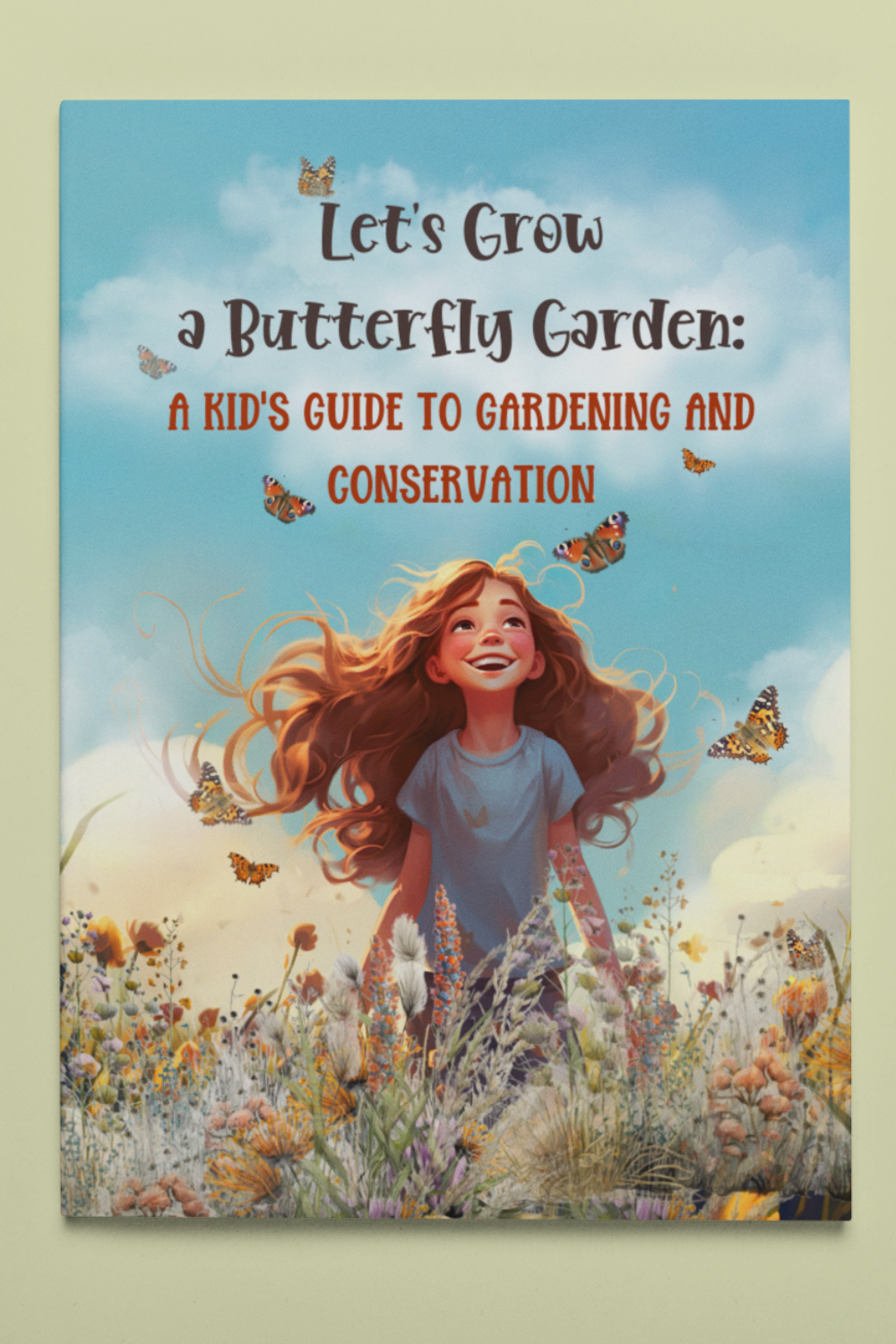
If you’d like to learn how to combine grasses and perennials into complete naturalistic planting communities, including planting distances, companion combinations, and practical design strategies, you’ll find all of this in my workbook:
Designing Naturalistic Plant Communities for Sunny, Dry Gardens.

Leave a Reply